
Hip Pain Treatment in El Paso, TX
Stop Dealing with Hip Pain & Start Living Comfortably
Hip pain is often more than a nuisance. It slows you down, limits your independence, and chips away at the activities you love. Simple tasks like walking the dog, climbing stairs, sitting through a movie, or keeping up with your grandkids can become daily obstacles when you have chronic hip pain.
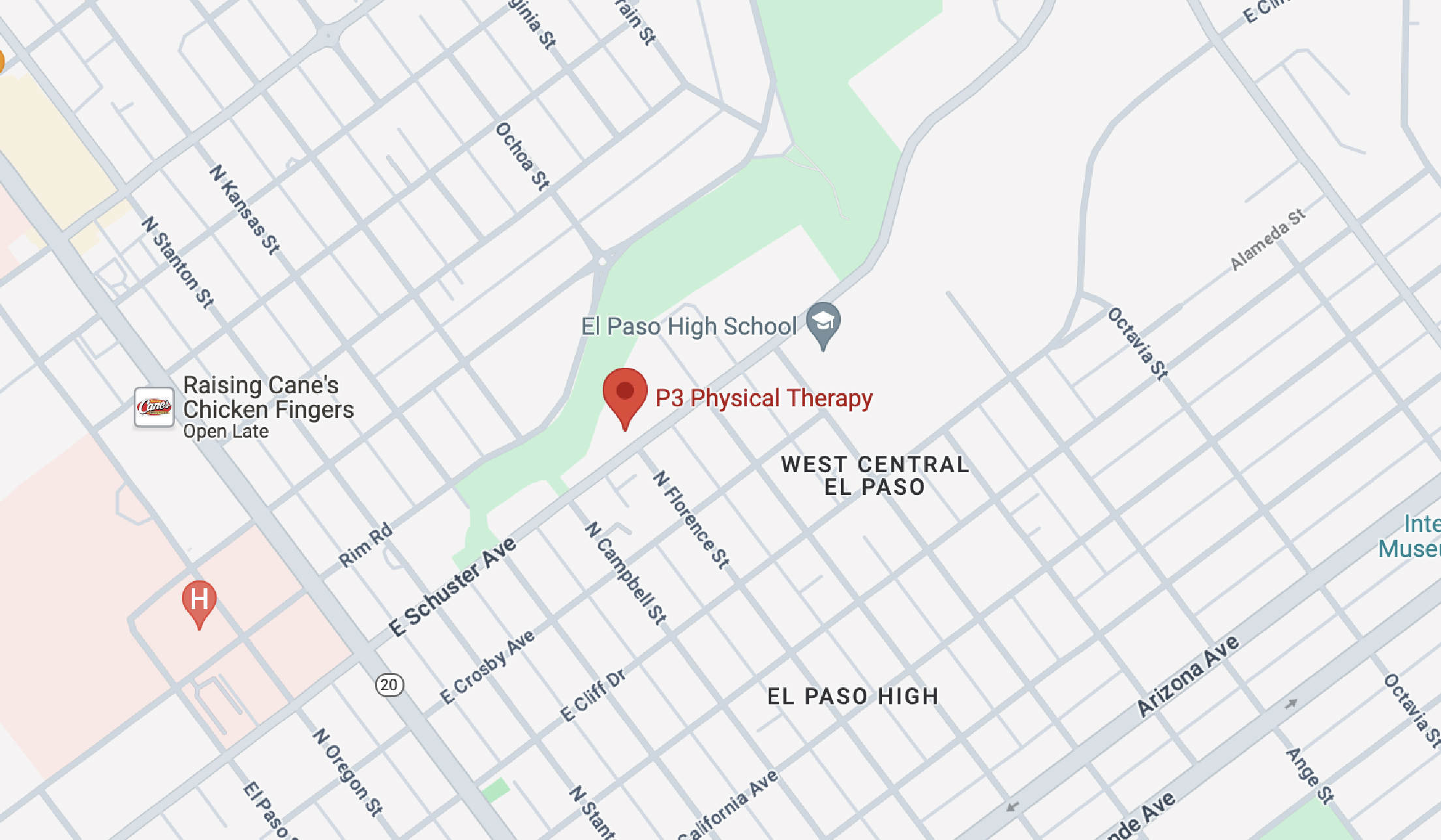
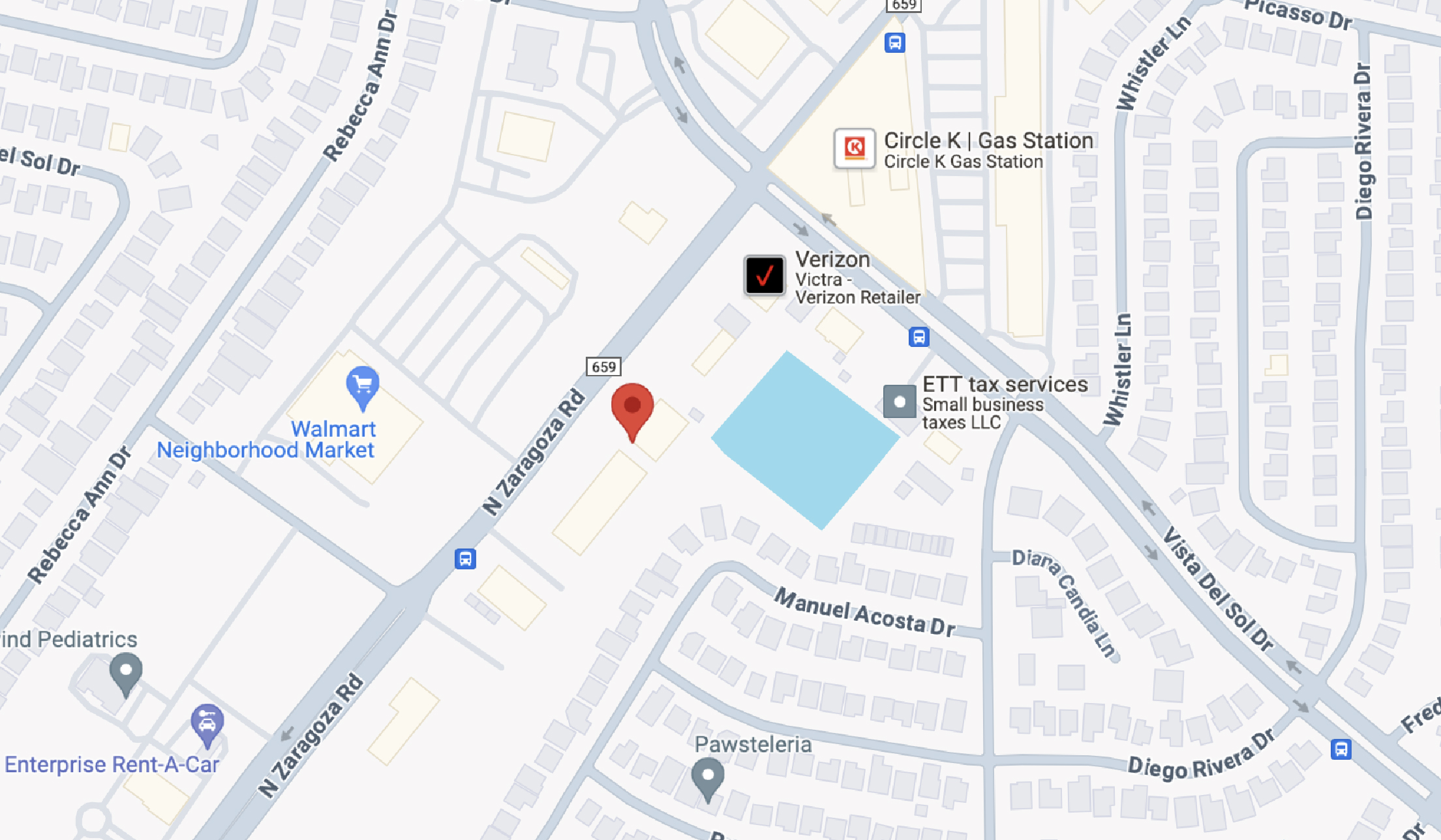
At P3 Physical Therapy in El Paso, we specialize in identifying the source of your hip pain and building a personalized treatment plan. Our goal is to get you moving freely again without relying on medication or rushing into surgery. Ready to stop hurting and start healing?
Call (915) 444-5200 to schedule an appointment with us today.
What's Causing Your Hip Pain?
The hip is one of the body’s largest and most load-bearing joints, and it takes a beating every day. Hip pain can develop gradually from wear and tear, or it can flare up after an injury or surgical procedure. Sometimes the pain is felt directly in the hip, and other times it radiates into the groin, buttocks, or down the leg, making it difficult to identify without a proper evaluation.
Obviously, there is a lot to consider when approaching hip pain and the appropriate treatment. That’s exactly what we do at P3. Before treatment begins, Dr. Parul Haribhai conducts a thorough, hands-on assessment to pinpoint the root cause of your pain rather than masking the symptoms.
Common Hip Conditions We Treat
Hip Osteoarthritis
The most common cause of hip pain in adults over 50, hip osteoarthritis occurs when the protective cartilage lining the joint wears down over time. The result is aching, stiffness, and a reduced range of motion that can worsen with activity or prolonged sitting. Physical therapy is one of the most effective treatments available for managing hip arthritis and maintaining a high quality of life.
Hip Bursitis (Trochanteric Bursitis)
The bursae are small, fluid-filled sacs that cushion the hip joint. When the bursa on the outer hip becomes inflamed from repetitive motion, prolonged standing, or a direct fall, it causes sharp or burning pain along the outside of the hip and thigh. Many patients with hip bursitis find lasting relief through targeted manual therapy and therapeutic exercise.
Hip Flexor Strains and Tightness
Tight or strained hip flexor muscles are a widespread source of hip and lower back pain. This issue can arise from sitting at a desk all day, intense athletic activity, or simply aging. If left untreated, hip flexor dysfunction can alter your gait, contribute to knee and back problems, and significantly limit your mobility.
Labral Tears
The labrum is a ring of cartilage that lines the hip socket and helps keep the joint stable. When this cartilage tears, it can cause deep groin pain, clicking or locking sensations, and a feeling of instability in the joint. Labral tears are common in athletes, dancers, and those who perform repetitive hip movements. The physical therapy we provide at P3 plays a critical role in both conservative management and post-surgical recovery from labral tears.
Hip Impingement or Femoroacetabular Impingement (FAI)
FAI occurs when the bones of the hip joint are abnormally shaped and create friction during movement. This can damage the cartilage and labrum over time, causing groin pain, stiffness, and limited hip flexibility. Physical therapy helps patients with FAI improve joint mechanics, reduce pain, and often delay or avoid surgical intervention.
Sciatica and Referred Hip Pain
Pain that seems to originate in the hip is sometimes referred pain from the lower back or sciatic nerve. True hip pain and referred hip pain can feel remarkably similar, which is why a thorough clinical evaluation is so important. Our team has the expertise to distinguish between them and treat the actual source.
Post-Surgical Hip Rehabilitation
Following hip replacement surgery or other hip procedures, a structured rehabilitation program is essential to a safe, full recovery. We work closely with patients throughout every phase of their post-surgical healing. This is crucial for restoring strength, improving range of motion, and helping them return to normal activity as efficiently as possible.
Methods of Hip Pain Treatment at P3
Every treatment plan at P3 is built from the ground up for the individual patient. There is no template — only the combination of techniques and approaches that gives you the best chance at fast, lasting relief.
Manual Therapy
Our hands-on manual therapy techniques are used to restore normal hip mechanics, loosen restricted soft tissue, and relieve pain. These approaches include joint mobilization, soft tissue mobilization, and myofascial release. They’re often one of the most immediately effective components of hip pain treatment.
Therapeutic Exercise
A progressive, targeted exercise program addresses the muscular imbalances, weaknesses, and movement faults that contribute to hip pain. We focus on building strength and stability in the hips, glutes, and core to protect the joint and prevent future injury. Every exercise program is taught one-on-one and adjusted based on your progress.
Dry Needling
Dry needling targets tight muscle bands and trigger points in and around the hip, including the hip flexors, glutes, piriformis, and TFL. These areas contribute to pain and restricted movement. Many patients experience significant relief after just one or two sessions.
NEUBIE by Neufit
Our NEUBIE technology uses direct current neuromuscular electrical stimulation to identify and retrain dysfunctional movement patterns, accelerate tissue healing, and restore normal muscle activation around the hip joint. It’s one of the most advanced rehabilitation tools available, and you won’t find it at most other clinics.
Class 4 Laser Treatment
Our Class 4 therapeutic laser delivers concentrated light energy deep into the hip joint and surrounding tissues. This reduces inflammation, stimulates cellular repair, and provides drug-free pain relief. It is especially effective for patients dealing with chronic hip bursitis, osteoarthritis, or post-surgical inflammation.
Why Patients Choose P3 to Treat Hip Pain
At P3, you work directly with Dr. Parul Haribhai, PT, DPT, at every single visit. She brings over two decades of outpatient experience and advanced training in pain management, myofascial therapy, and dry needling to each appointment. With her undivided attention, you know that your care is never diluted. Reach out to us immediately if you’re experiencing:
- Aching, stiffness, or soreness in the hip that won’t resolve on its own
- Pain in the groin, outer hip, buttock, or thigh
- A grinding, clicking, or catching sensation in the hip joint
- Difficulty walking, climbing stairs, or getting up from a seated position
- Hip pain that disrupts your sleep
- A noticeable limp or change in the way you walk
- Hip pain following a fall, accident, or athletic injury
- Discomfort after sitting for extended periods
- Hip pain following surgery
Frequently Asked Questions
Do I need a doctor's referral to see a physical therapist for hip pain in Texas?
In Texas, you can see a licensed physical therapist directly without a physician’s referral for 30 calendar days. However, some insurance plans may require a referral before covering your visits. Call our office at (915) 444-5200 and our team will help verify your specific coverage before your first appointment.
How do I know if my hip pain is serious enough for physical therapy?
If your hip pain has lasted more than a week or two, is interfering with your daily activities or sleep, or is getting progressively worse, it’s worth having it evaluated. Physical therapy is appropriate for a wide spectrum of hip conditions, ranging from mild tightness to severe post-surgical rehabilitation. When in doubt, come in for a free screening and let us give you an honest assessment.
Can physical therapy help me avoid hip replacement surgery?
For many patients, yes. Especially in the earlier stages of conditions like hip osteoarthritis or hip impingement, a consistent physical therapy program can significantly reduce pain, improve function, and delay (or in some cases eliminate) the need for surgical intervention
How long will it take to feel better?
This depends on your condition, its severity, and how your body responds to treatment. Minor soft tissue injuries and hip flexor tightness often improve within a few sessions. Chronic conditions like hip osteoarthritis or post-surgical rehabilitation may require a longer course of treatment. What we can promise is that we never stretch out treatment unnecessarily. Our goal is to get you better, faster.
What should I wear to my first appointment?
Wear loose, comfortable clothing that allows your physical therapist easy access to your hip, such as athletic shorts or loose pants. If you have any X-rays, MRI reports, or previous physical therapy notes, bring those along as well, as they can be very helpful in our evaluation.
Begin Your Journey to Hip Pain Relief
Hip pain rarely resolves by itself, and the longer it goes untreated, the more it can impact how you move, how you feel, and how freely you live your life. The good news: you don’t have to figure this out alone. Call P3 Physical Therapy at (915) 444-5200 or contact us online for your initial consultation.